Leadership Team Effectiveness
Perform Together
Great leaders don't automatically make a great leadership team. A team can be full of talented people and still underperform together. Conversations stay polite when they need to be honest. Meetings use time without resolving the real issues. Decisions get revisited instead of executed. The question isn't whether you have good leaders. It's how well you lead together.
Who it's for
Executive and senior leadership teams, new teams or teams with a new leader, teams after a restructure, merger or conflict, and capable teams that know they could achieve more.
Where we focus
The five levels of a healthy team
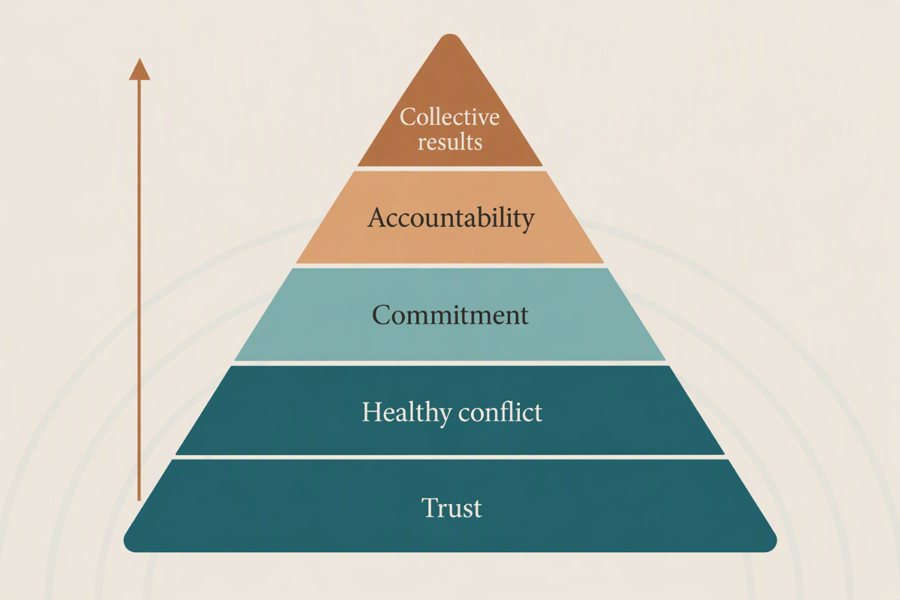
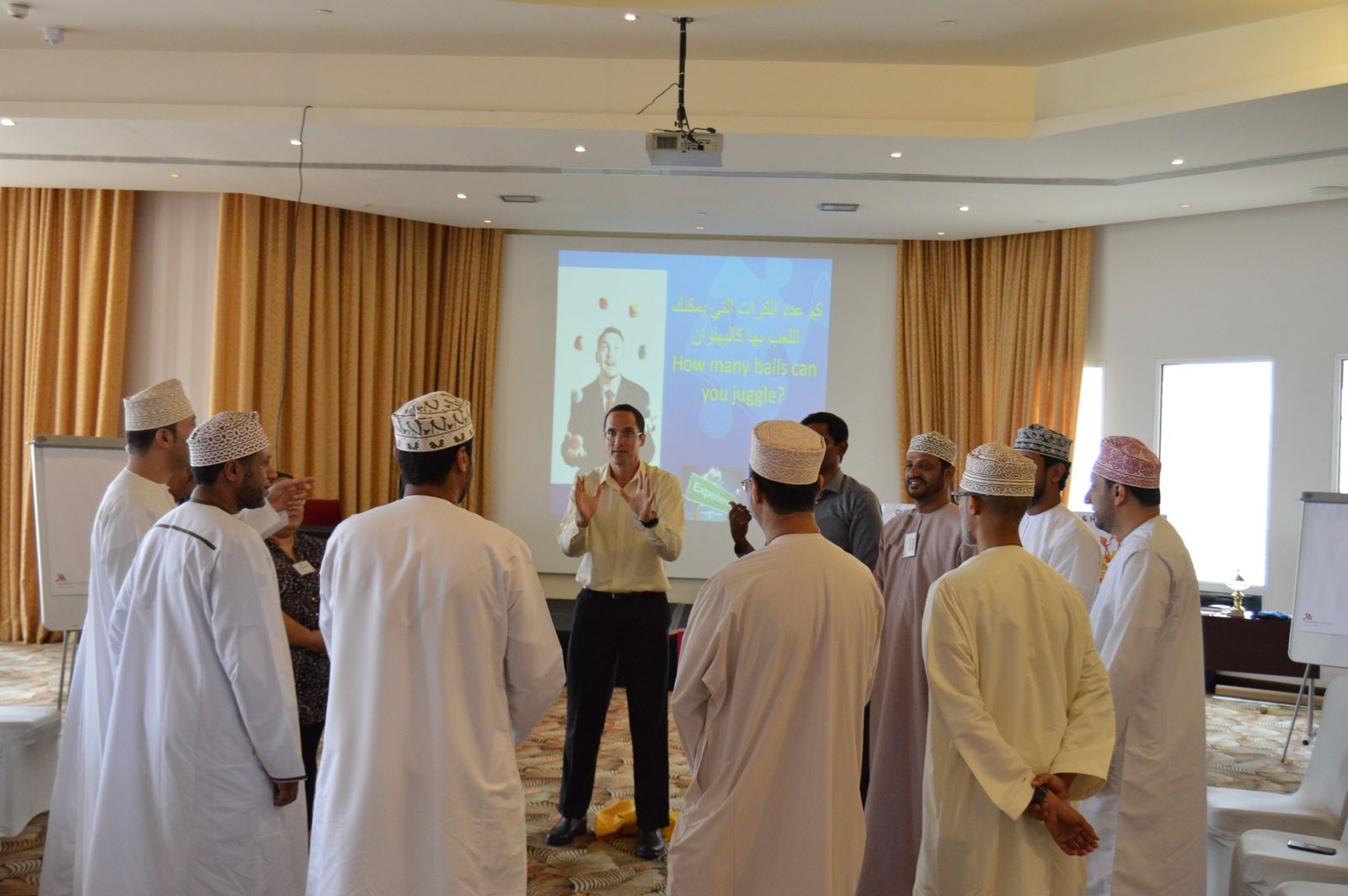
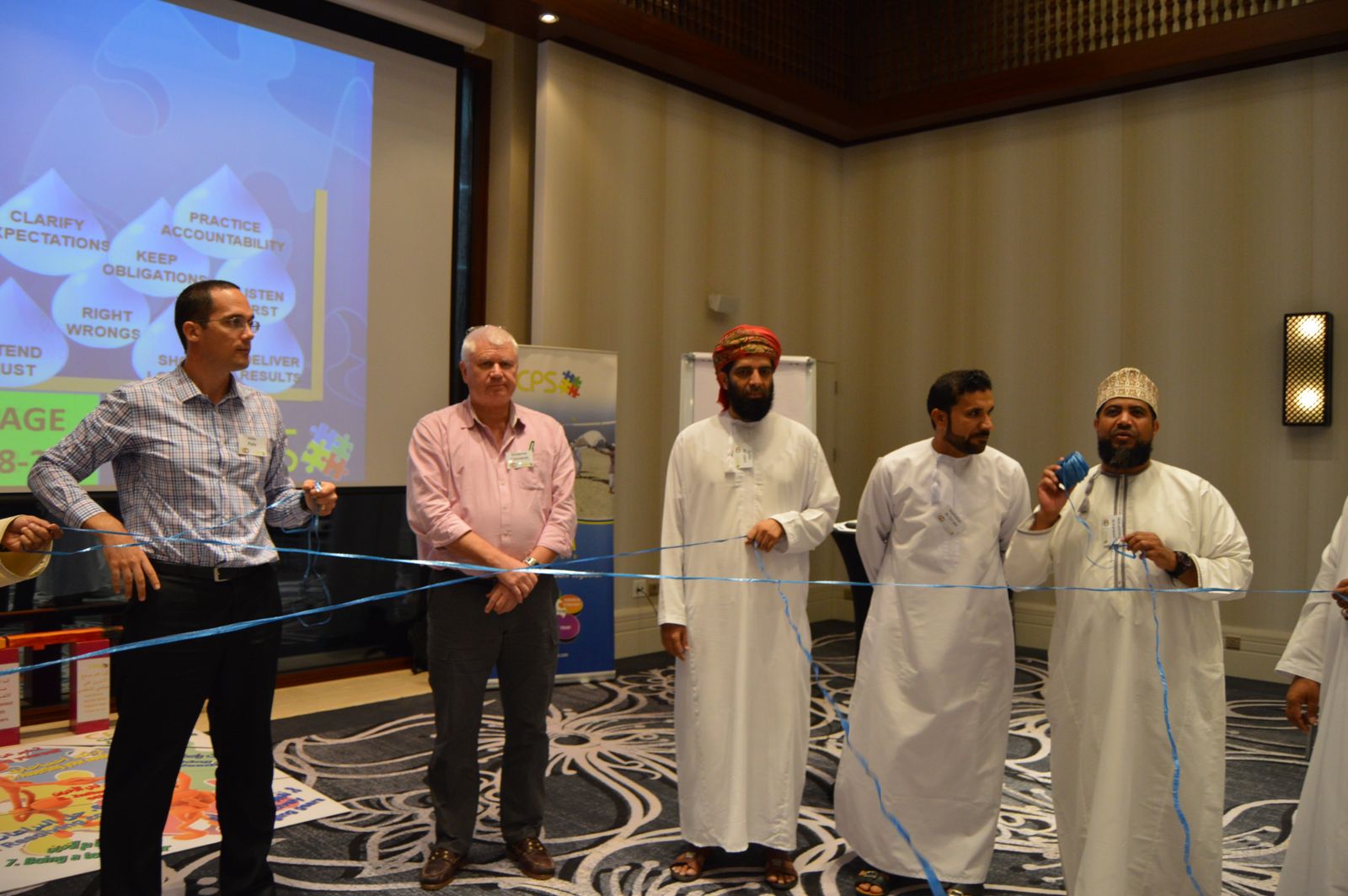
Our team work uses the Leading Healthy Teams Toolkit, which I developed over 14 years doing team development in the Middle East and have since used with leadership teams and people leaders in Australia. It adapts Patrick Lencioni's model from The Five Dysfunctions of a Team into five levels of a healthy team. Each level builds on the one below it. A team can't commit to decisions it hasn't debated, and it can't debate honestly without trust. So we always start at the base.
| Level | A healthy team | The leader's role |
|---|---|---|
| 1 · Trust | Members are open with each other, admit mistakes and ask for help. | Go first. Be consistent and vulnerable. |
| 2 · Healthy conflict | Members debate the issues that matter, honestly and without making it personal. | Invite debate and draw out different views. |
| 3 · Commitment | Members leave the room clear on decisions and back them, even if they argued against them. | Bring clarity and closure to every decision. |
| 4 · Accountability | Members hold themselves and each other to what they agreed. | Address difficult issues early and fairly. |
| 5 · Collective results | Members put team results ahead of their own area, status or credit. | Keep the team focused on shared outcomes. |
How we diagnose your team
First, find out what is really going on
Before we design anything, we find out what is really going on.
Are you really a team?
We check the group shares a common purpose and goals, and holds itself mutually accountable. If it is a group of individuals, we work differently.
Team Covenant
The team agrees a first draft of why it exists, what it will focus on and how it will behave together, then refines it once the Team Health Check results are in.
Stage of development
We look at where the team sits on the journey from forming and storming to norming and performing.
Team Health Check
Every team member rates the team anonymously on all five levels, with specific questions for each. The results show one or two strengths and one or two areas to build.
Debrief and focus
In a facilitated session, the team works through the results, agrees what to start, stop and continue, and chooses the level that will make the biggest difference.
90-day action plan
The team commits to three practical actions on its focus level, using the toolkit's team exercises in normal meetings, and reviews progress at the end.
How we work
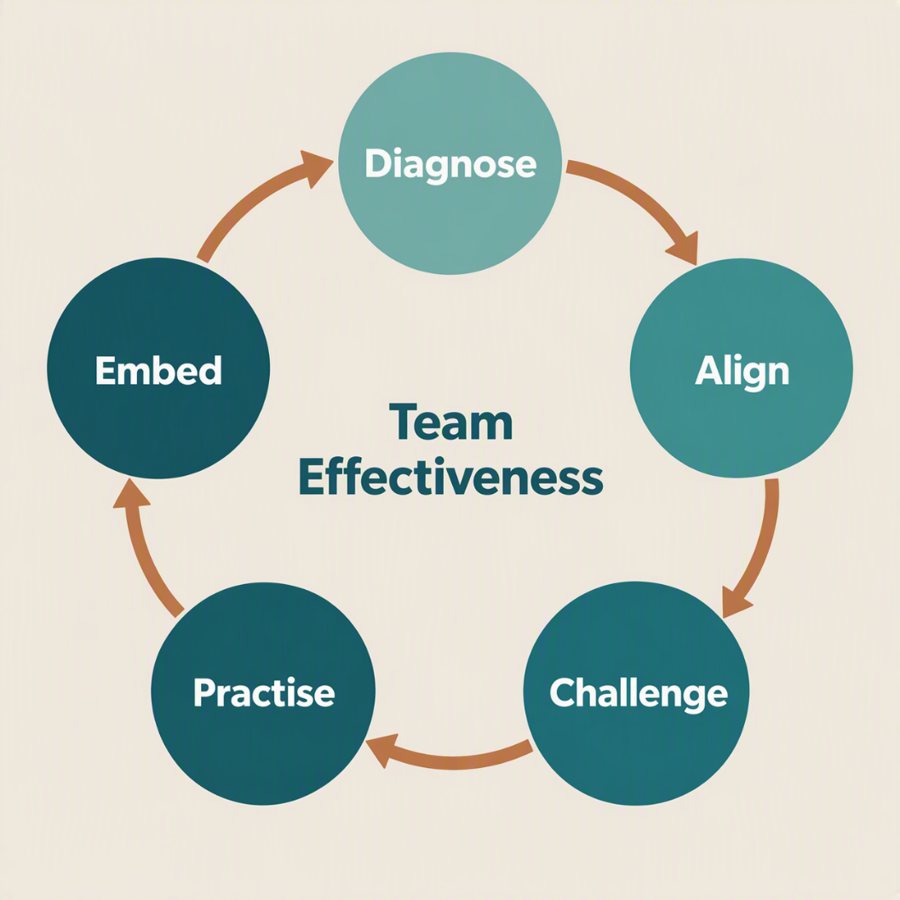
Diagnose → Align → Challenge → Practise → Embed
Not team building. Team effectiveness. We diagnose with the Team Health Check, align around a Team Covenant, and then work with real relationships, real tensions and real business issues. HBDI and DISC profiles help people understand each other's thinking and working styles, which is often the fastest way to build trust. The aim isn't a better conversation in the room. It's better leadership outside it.
Formats
Ways to work together
5-Week Team Performance Sprint
One team issue, a Team Health Check, focused team sessions and a 90-day Team Performance Plan.
Team Intensive
One or two days at your site or off-site, including a team covenant which the group designs together.
Leadership Team Partnership
Three to six months combining confidential interviews, diagnostics, intensives, coaching and follow-up reviews, so the team owns the change.
Culture starts with the leadership team. When a senior team changes how it works, people notice. Meetings change. Decisions change. Accountability changes. Over time, what leaders repeatedly practise becomes how things are done around here.