In 2008 I co-founded Creative People Solutions (CPS) in Aden, Yemen, as a leadership development company built on experiential learning. Alongside our work with business and government leaders, we saw a gap that schools and universities weren't filling: practical life, team and leadership skills for young people. So we designed a youth leadership pathway of five levels, from 25 to 100 hours, built specifically for young Arabs to grow their confidence, motivation and life skills.
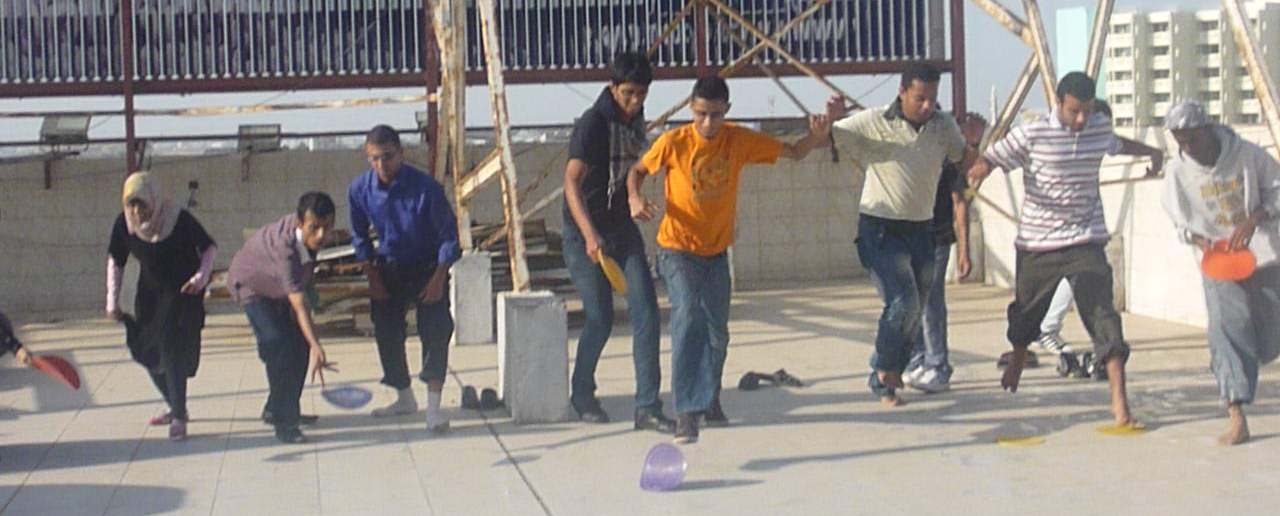
Building trust where it was scarce
Yemen's young people faced deep mistrust, shaped by family and tribal loyalties, and very few opportunities to learn by doing. As I told USAID at the time:
The biggest issue is, like everyone else in Yemen, the youth don't trust each other. This is, in a way, a training workshop in building trust.
Mike Pola, General Manager, Creative People Solutions (USAID Yemen success story, 2011)
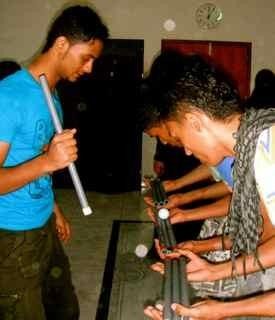
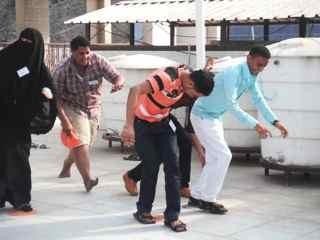
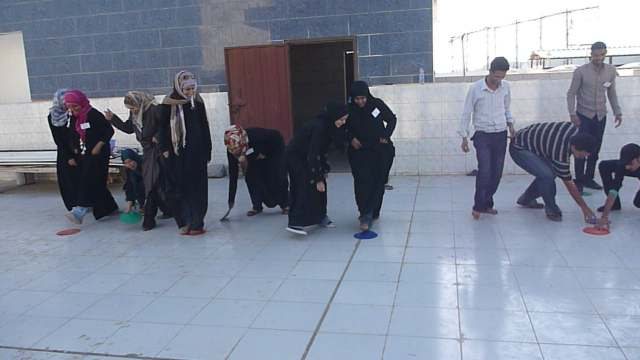
Every program was interactive and fun. Participants learned through team challenges, reflection and discussion rather than lectures. Between sessions, youth facilitators set daily “experiments in change”: small actions to try with family and friends, linked to each session and to a personal action plan. This bottom-up approach helped young people be the change they wanted to see in their own communities.
Two partnerships, thousands of young people
- Amideast. From 2010, Amideast asked CPS to run summer leadership programs for students in its English Access program, aged 14 to 17, and for YES exchange alumni, aged 18 to 22. Together these programs delivered more than 20,000 training hours and helped more than 1,000 students discover their potential.
- Mercy Corps and USAID. For USAID's Engaging Youth for a Stable Yemen program, implemented by Mercy Corps, CPS trained more than 700 young men and women from South Yemen between March 2011 and September 2012, in leadership, civic engagement and life skills. Before delivery, CPS's Egyptian master trainers trained 12 young Yemeni facilitators through a six-week Train the Trainer program. One phase, with 200 young people from Aden's Dar Saad and Sheikh Othman districts, was featured as a USAID success story. Because of its success, the program was extended, and in 2013 CPS delivered a further 20-hour course to 500 at-risk youth. In all, the partnership delivered around 24,000 training hours.
All of this happened during the Arab Spring: a time of intense political tension, chronic power cuts, water shortages and outbreaks of armed violence.
In their own words
Young people consistently described changes in confidence, teamwork and trust:
- “I learned how to improve my self-confidence and share my opinion without fear.” Amideast Access participant
- “To be honest I never used to work in a team before, but studying in CPS really taught me how to work with a team.” Amideast Access participant
- “I learnt that I can trust people… I just have to try.” Youth participant, Aden
- “This course made me a positive person towards my group, family and friends and brought out the best in me.” YES alumnus
- “The training showed me that young people can be creative if they get the opportunity.” Engaging Youth for a Stable Yemen participant
A lasting legacy
The most important result was not the numbers. It was the Yemeni team. By training young local trainers and facilitators, we built capability that could carry the work forward without us. Today the Yemeni team runs Creative People Solutions entirely on its own. Across the Middle East, CPS has helped more than 15,000 young people discover their potential, and the same approach later shaped youth leadership pilots with the Ministry of Education in Oman.
What other organisations can take from it
Start with trust
Where trust is low, design every activity to help people work together and see each other differently.
Learn by doing
Experiential learning reaches people that lectures never will, especially those used to rote learning.
Take it home
Small daily experiments with family and friends turn insight into new habits.
Train local trainers
Developing local facilitators multiplies reach and makes the work sustainable.
Keep going
Constancy and commitment matter most when the context is hardest.
The same principles shape Potential2Performance's Capability Development work and our Train the Trainer programs today.